Self-Build Structural Warranty
Building your own home and need protection against latent defects? Choose Build Secure today and discover our range of tailored self-build structural warranties for self-built properties.
Our expert team’s knowledge and wide range of FCA-approved lenders ensure fast, personalised and competitive quotes that make mortgaging and policy transfer simple.
- Cover available at any stage of the build.
- Fast turnaround times.
- 'A' rated insurers.
- Cover available for any type of build.
- Competitive pricing.
What isa self-build structural warranty?
Self-build projects refer to home construction jobs where the landowner buys a plot of land and is responsible for constructing a house (or houses), alone or with the support of a contractor.
A self-build warranty is a 10-year structural warranty for a self-build home project that insures the homebuilder against any latent defects in the building’s materials or workmanship incurred during construction.
Standard self-build policies cover you for the cost of renovation or repair work to fix critical structural defects in your building’s foundations, load-bearing roofs, chimneys and more – giving you peace of mind that your new home is structurally sound.
Do I need a self-build structural warranty?
If you are entirely self-funding, you don’t necessarily need a structural warranty for your self-build project. However, most mortgage lenders will refuse to issue a mortgage for a self-built property without a warranty.
So, structural warranties make your self-build home mortgageable, as well as giving you peace of mind over the construction of your build.
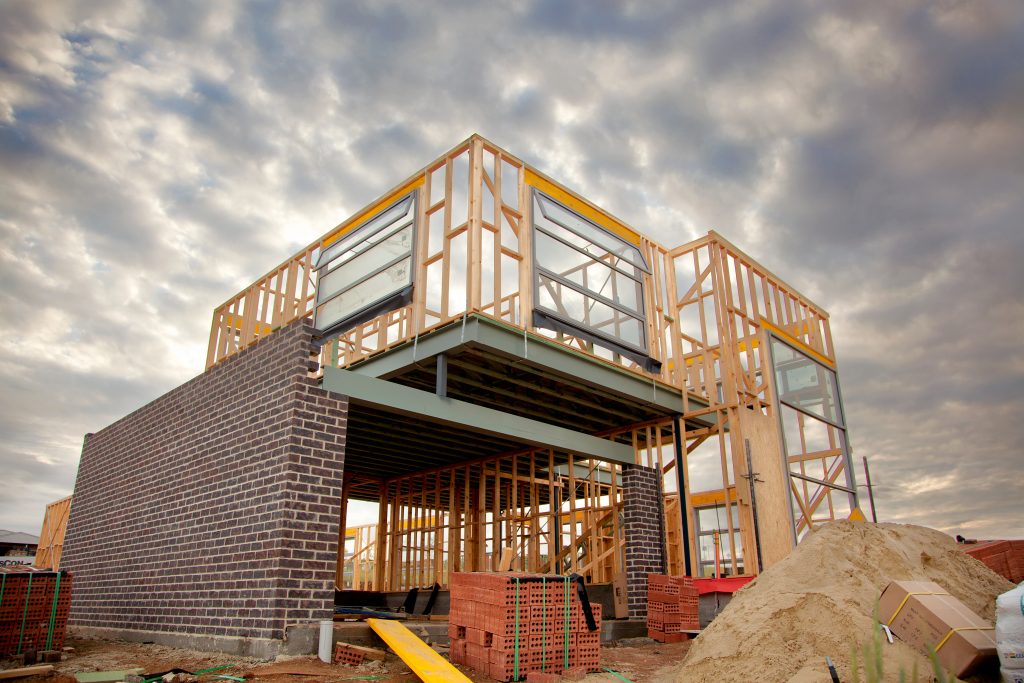
Self-build warrantiesfor pure self-build projects
We offer self-build warranties for self-build projects where the landowner is responsible for tackling the hands-on construction work themselves.
DIY homebuilders may be required to provide evidence of building experience or credentials, as well as hiring certified professionals to sign off on high-risk elements like gas, electric and structural engineering calculations.
While premiums might be higher compared to self-build warranties issued for contractor-led projects, we can work with you to find the ideal cover for your needs.

Self-build warrantiesfor contractor projects
We can also provide support for projects where you’ll be working with a contractor on the actual build process of the house.
Warranties for contractor-led self-build projects can usually be transferred immediately after final sign-off, so you’re able to sell, let or occupy the property as soon as it’s finished.
These policies also typically provide protection for your deposit in the event that the contractor becomes insolvent during the completion of your job.

Structural warrantiesfor self-build developers
If you have a plot of land and wish to build more than one home there – such as building a mini development or creating multiple homes for various members of your family – you are likely to require a more complex commercial structural warranty, with extended coverage to enable mortgaging in the event of sale.
You might also find that, to prevent unqualified individuals from acting as commercial developers, some insurers insert a clause requiring the policyholder (or immediate family) to live in the property as their primary residence for the first 12 months after completion.