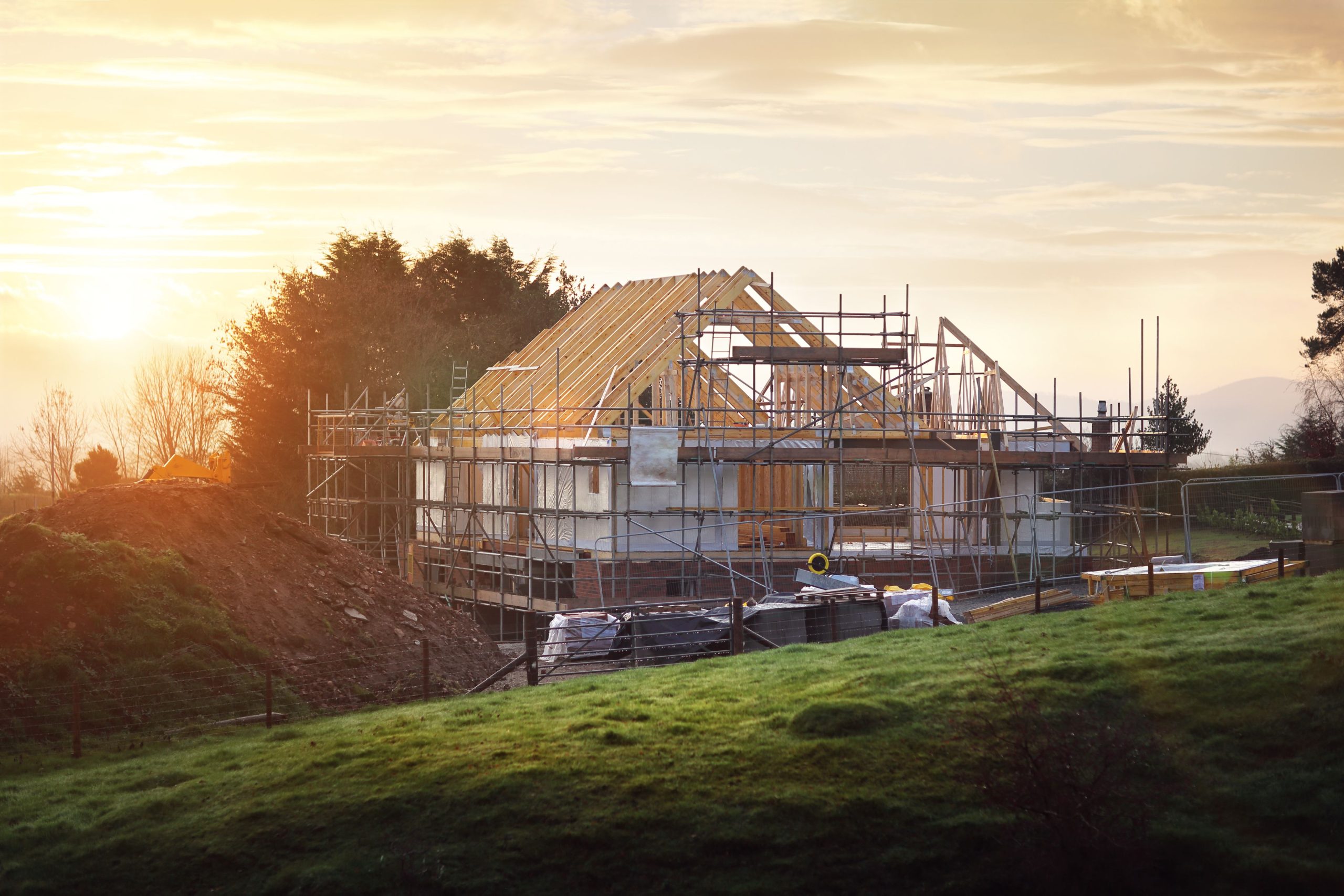
Structural Warranty

Protect newly built or converted properties against structural defects and ensure the integrity of your property build or refurbishment project with Build Secure.

Our specialist team arranges structural warranty cover from established insurers - recognised by lenders, trusted by developers and placed on competitive terms.

  • Cover available at any stage of the build.
  • Fast turnaround times.
  • 'A' rated insurers.
  • Cover available for any type of build.
  • Competitive pricing.

Secure trusted structural warranties for your building

45+ Years of 
Industry Experience
‘A’ Rated Insurers
5 Star Client Rating
Members of BIBA

Three easy steps to securing your structural warranty

Step 1

Get in touch to receive a quote

Step 2

Our dedicated Relationship Managers will reach out to one of our leading insurer partners to find the perfect terms for you.

Step 3

Get the perfect terms from your choice of insurer and enjoy complete peace of mind over your property’s structure for up to 12 years.

What is astructural warranty?

A structural warranty, sometimes referred to as a building warranty, is an insurance policy that protects you against the emergence of inherent defects in design, workmanship or materials within a building’s structure or waterproofing envelope, resulting in physical loss or damage.

Structural defects warranties cover the cost of repairs or replacement for damaged properties and also fund preventative measures that guard against any future damage from the defect, up to the total sum insured.

These warranties typically cover you for 10-12 years from the final certificate of practical completion issuance date.

Residential
Refurbishment

Protecting your residential conversions and extensions throughout the process.

Commercial
Property

Safeguarding the construction and completion of large scale commercial property.

New Home
Building

Providing peace of mind to home builders and future residents, ensuring safety for generations to come.

Get a structural warranty quote

Submit your request today and receive an official quote within 24 hours.

Structural warranty FAQs

Do I need a structural warranty?

Whilst a Structural Warranty isn’t required by law, most mortgage lenders will insist on a Warranty or a Professional Consultants’ Certificate.

As well as this, UK Finance, formerly the Council of Mortgage Lenders (CML), requires that all newly built, converted or renovated properties are covered by an LDI scheme.

Lenders won’t provide a mortgage decision until a policy is in place. Where the property is not complete, a decision in principle can be obtained with a pre-completion warranty certificate. This also applies to developers or investors raising finance and buy-to-let mortgages.

Your surveyor will contact you to organise a technical audit schedule. Once the build gets to each pre-defined stage, the inspector will visit the site and check that all of the work has been carried out. Any issues will need to be rectified before the stage can be signed off by the inspector.

Once all stages are signed off and the completion certificate has been received, the final structural warranty certificate will be issued.

Technical audits are different to building control visits, which inspect the property for building regulations compliance. Warranty Technical Audits inspect the property to the insurers Technical Standard Manual. Additionally, this includes checks of the design, workmanship and materials.

The Policy is against the house and will pass to any new owners of the property.

At Build Secure, we take pride in offering a diverse range of competitive structural warranty solutions. Our dedicated team is committed to working on your behalf, conducting thorough assessments to understand your unique needs.

From the initial consultation to the finalisation of your coverage, we are here to guide you through the entire process.

Damage caused by an inherent defect (design, workmanship and materials of the property) in any of the following: waterproofing, load-bearing elements, roofing systems, floor systems, foundations, external walls, cladding, windows and doors.

Not all types of build require a Section 38 agreement. These deal exclusively with shared external infrastructure. You will only need one if you intend on creating new public infrastructure, such as roads or shared sewage systems, that will be adopted and maintained by a third party.

A Section 38 is a legal contract to build this infrastructure to a specific standard, so that the third party – i.e. the Local Council – can safely manage them.

Like a Section 38 agreement, a Section 104 agreement (under the Water Industry Act 1991), is only relevant if you are creating shared sewage systems that will be externally administered.

Testimonials

What our customers are saying

Read firsthand how our services have made a difference: